915WHP Gen 5 LT4 Engine Built by Flag Motorsports
Flag Motorsports built Gen 5 LT4 made 915RWHP/850RWTQ at 15psi with the factory 1.7L supercharger on E60. Let’s dive into the build details.
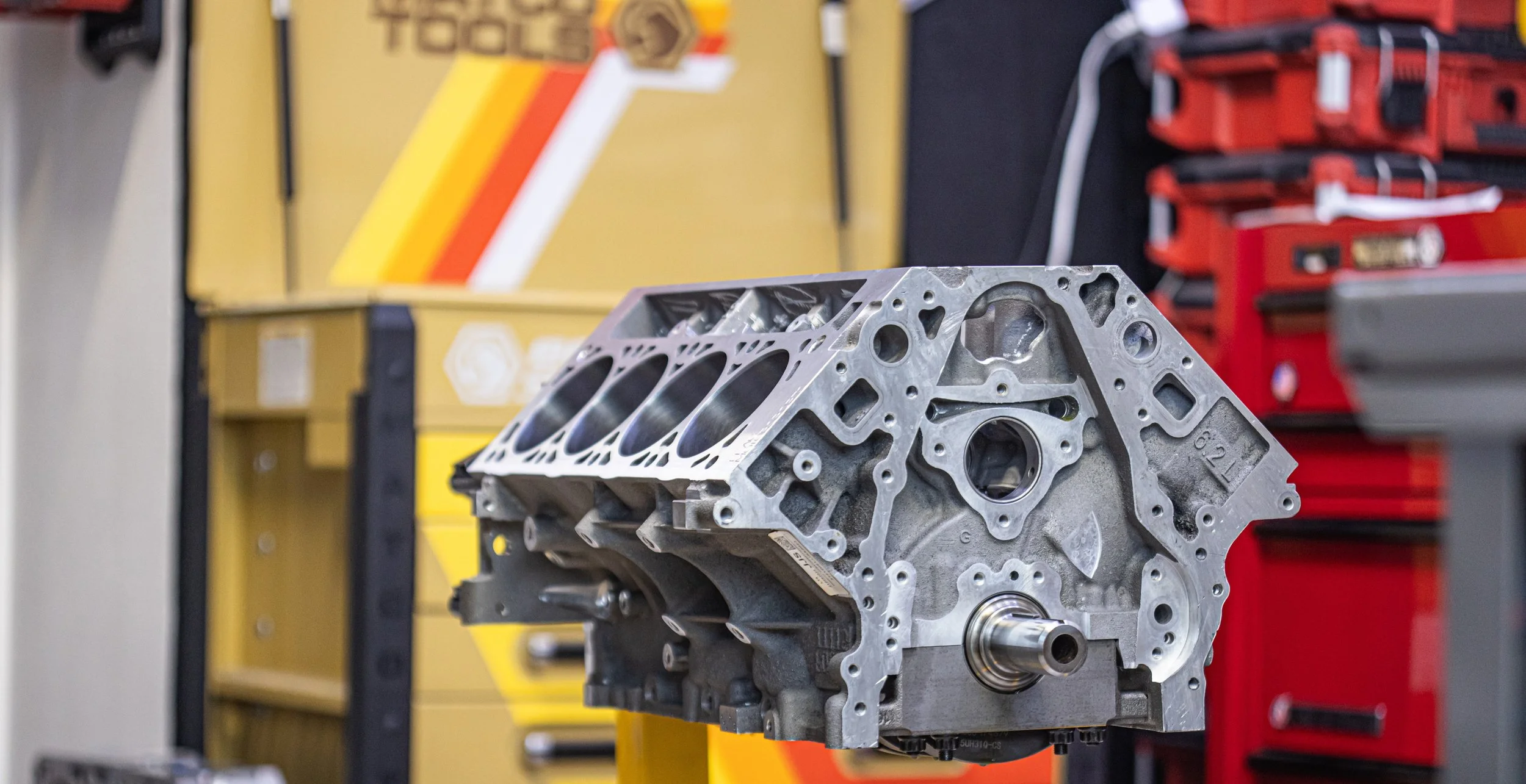
Flag Motorsports is an LS and LT specialty engine builder in Southern California, with a full service in house engine machine shop featuring industry leading machines from names like Centroid, Rottler, and Fentech. Having over a decade of expert knowledge invested in the Gen 5 LT engines, Flag Motorsports was an easy choice for Gabriel Griffin of Griffin Motorsports when he removed his LT4 to revise the engine combination for more power, reliability, and longevity.
The GM Gen 5 LT architecture of engine is the successor of the LS architecture, introduced in 2014 in the C7 Corvette with the 6.2L LT1. Some of the highlights of the Gen 5 platform include direct fuel injection, instead of the previous generation port injection, active fuel management (AFM), and variable valve timing (VVT) among other changes. Over the LS engine, GM has made several tangible improvements and changes to the block and heads. The LT has added strength to the deck surface with redesigned coolant passages, and an all aluminum deck. It has standardized oil squirters on all LT engines, and significant changes to the bottom end including coated bearings from the factory, a half shell thrust bearing, and a computer controlled variable oil pump. The direct injection cylinder heads have extremely impressive flow numbers from the factory thanks to the revised valve angle and canted valves. As time passes, LT engines are becoming more and more popular to build, with increasing aftermarket support and continued innovation surrounding this 5th generation Chevrolet small block.
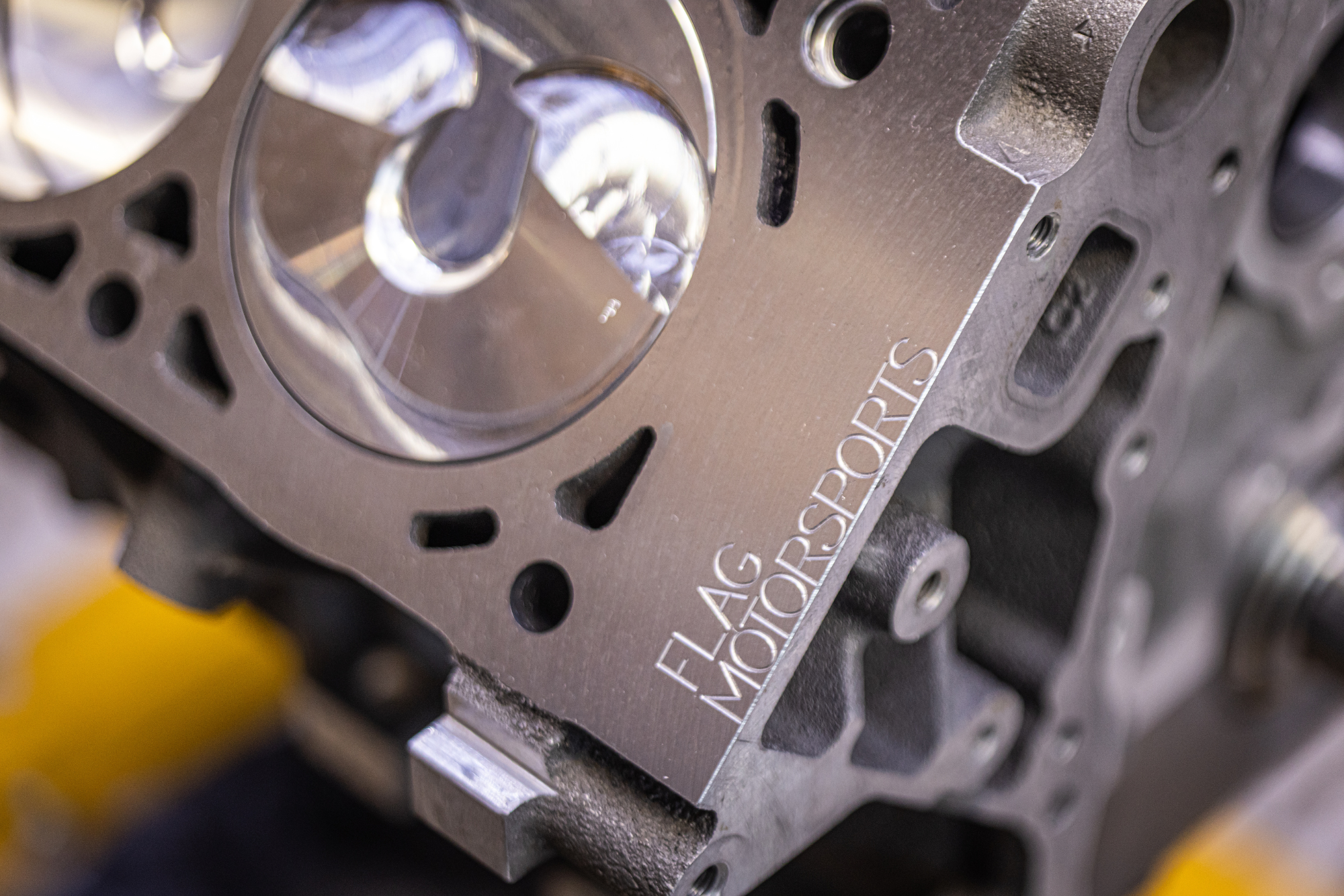
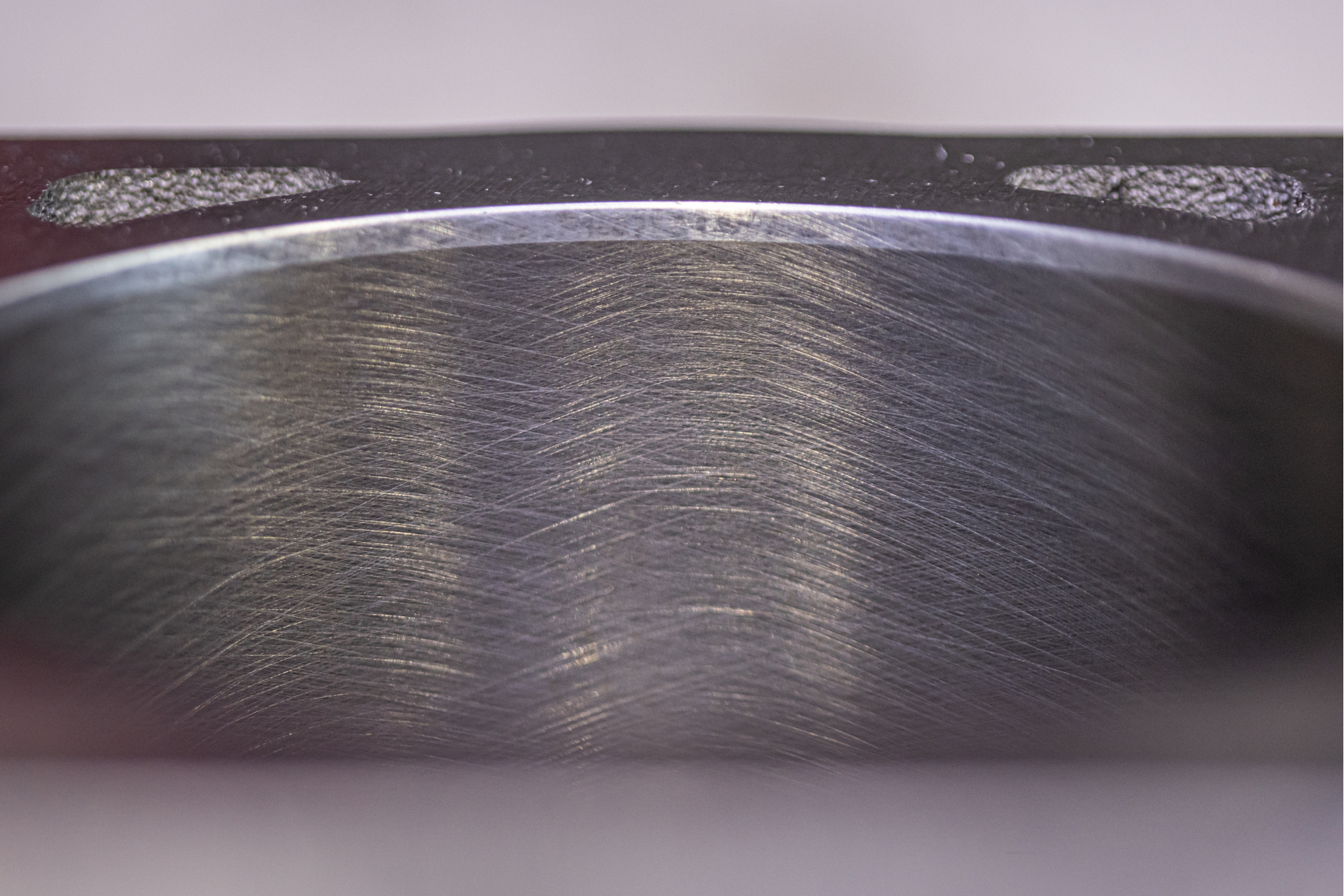
Because Gabe has a modest power goal of under 1000 wheel, the stock LT4 block was kept and fully reconditioned for the new build. It received a torque plate hone on Flag’s Rottler H85A, and an align hone with main studs. “We use a profilometer to measure the surface finish of all hones to a millionth of an inch. These readings and this measuring technology allows us to achieve Rk, Rpk, and Rvk numbers in line with requirements set by the ring manufacturer to ensure perfect ring seal,” said Evan, Flag’s head engine builder. The block was square decked and engraved on Flag’s Centroid 4 axis CNC block machine before final washing.
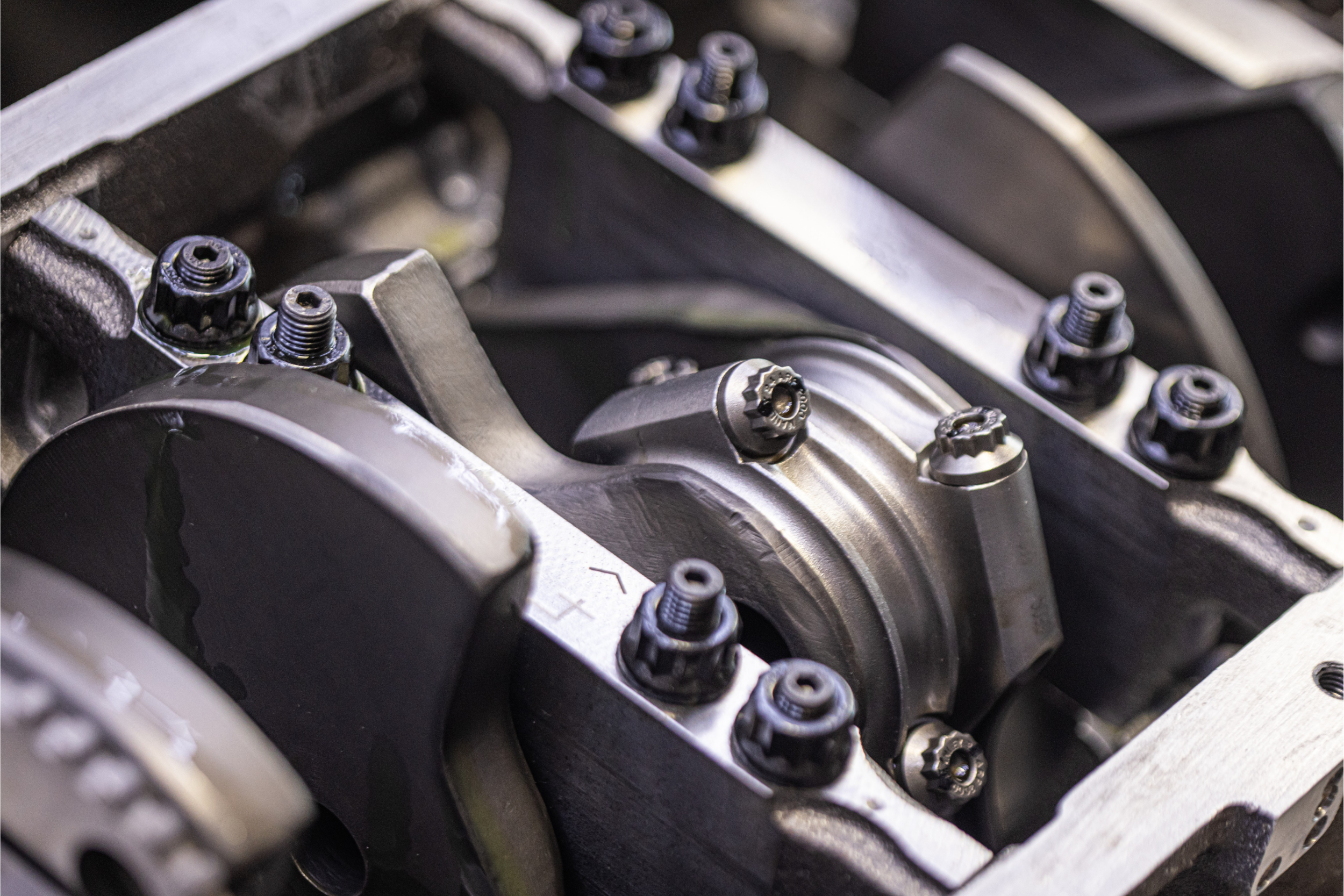
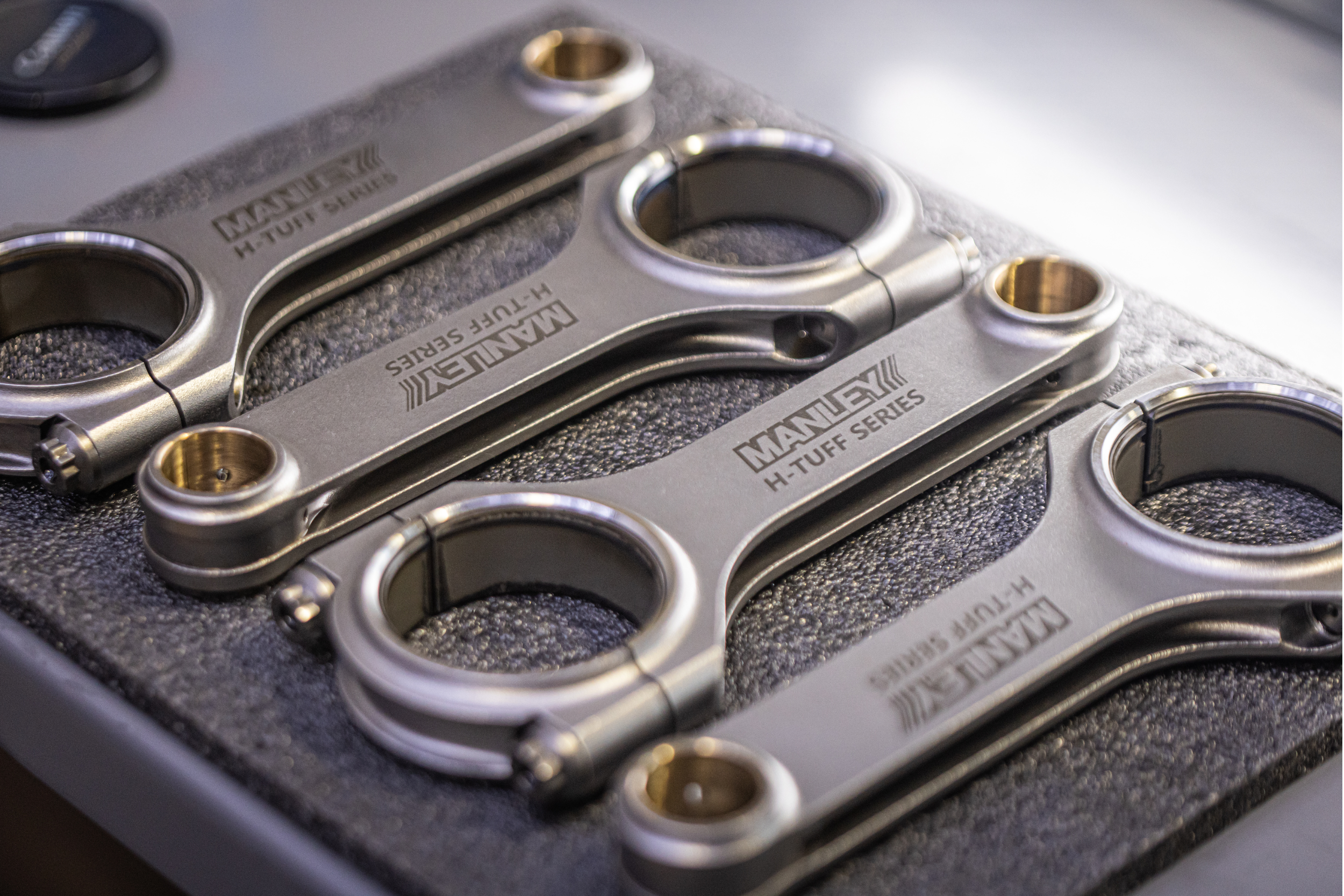
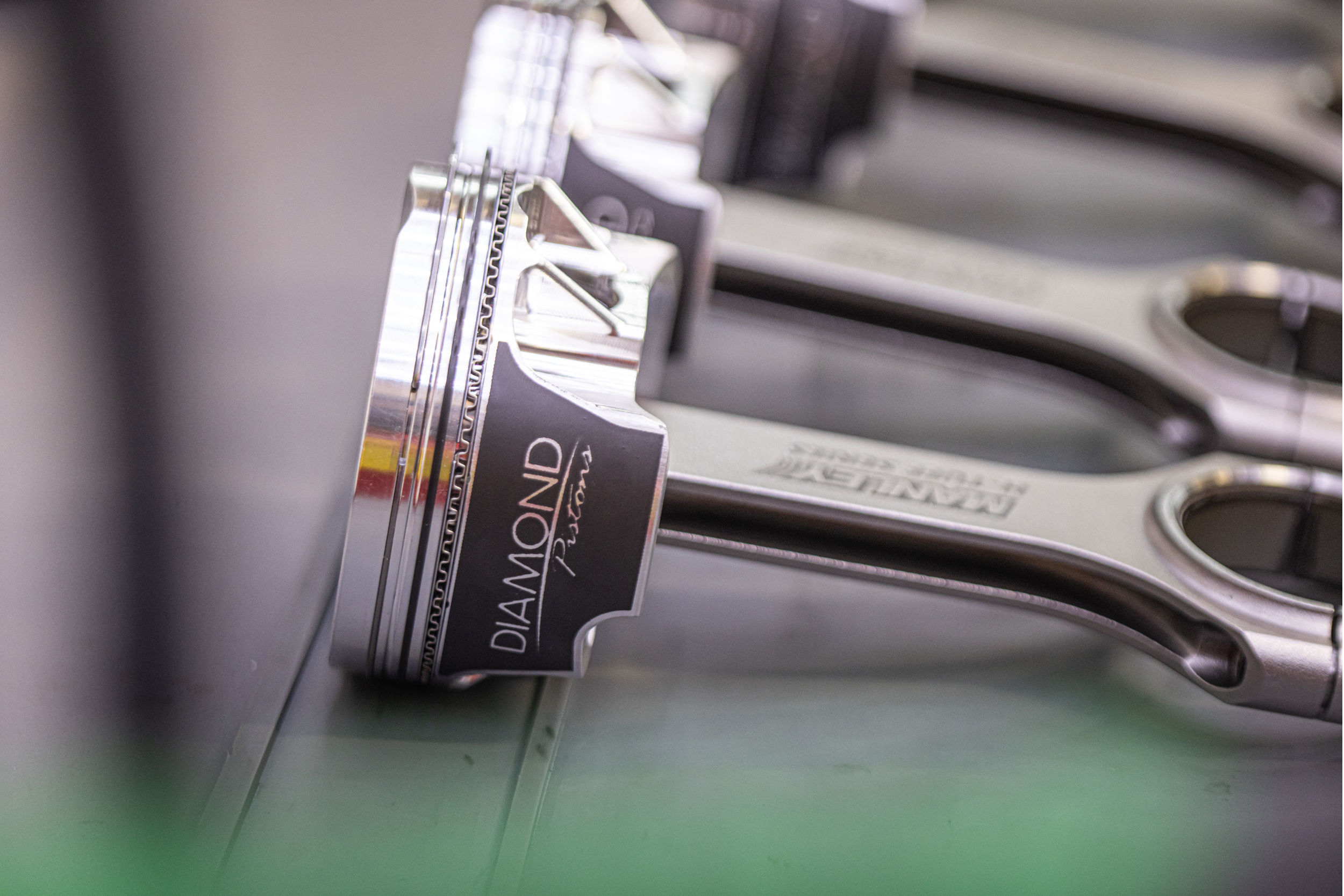
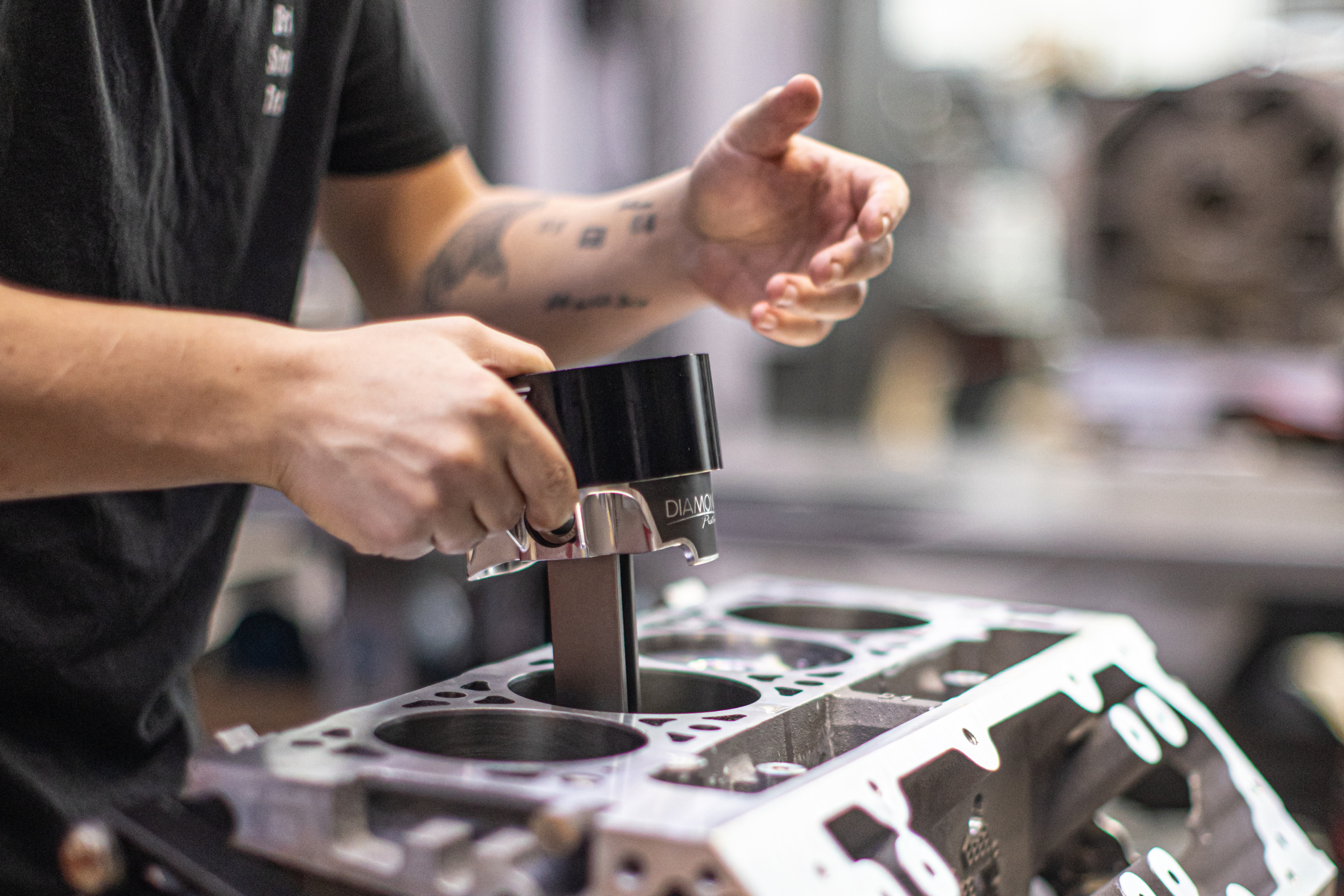
The shortblock build consists of a 3.625 stroke Callies center counter weighted crankshaft, Manley H-tuff 4340 forged steel rods with ARP 2000 bolts, and 4.070 -7CC Diamond pistons that have an anti-friction skirt coating and lateral gas ports. Tri-coated ACL main and rod bearings and Diamond rings gapped to .022 and .024 for the top and second ring respectively complete the bottom end. Evan talked about the choices he and Gabe made on this build, saying “moving away from the OEM rotating assembly allows us to overbuild the shortblock. While the OEM components are acceptable, they don’t have any tolerance for imperfections with tune or running conditions, like a batch of bad gas, so using these really high quality components that are more suited for higher horsepower gives us peace of mind and room to grow.”
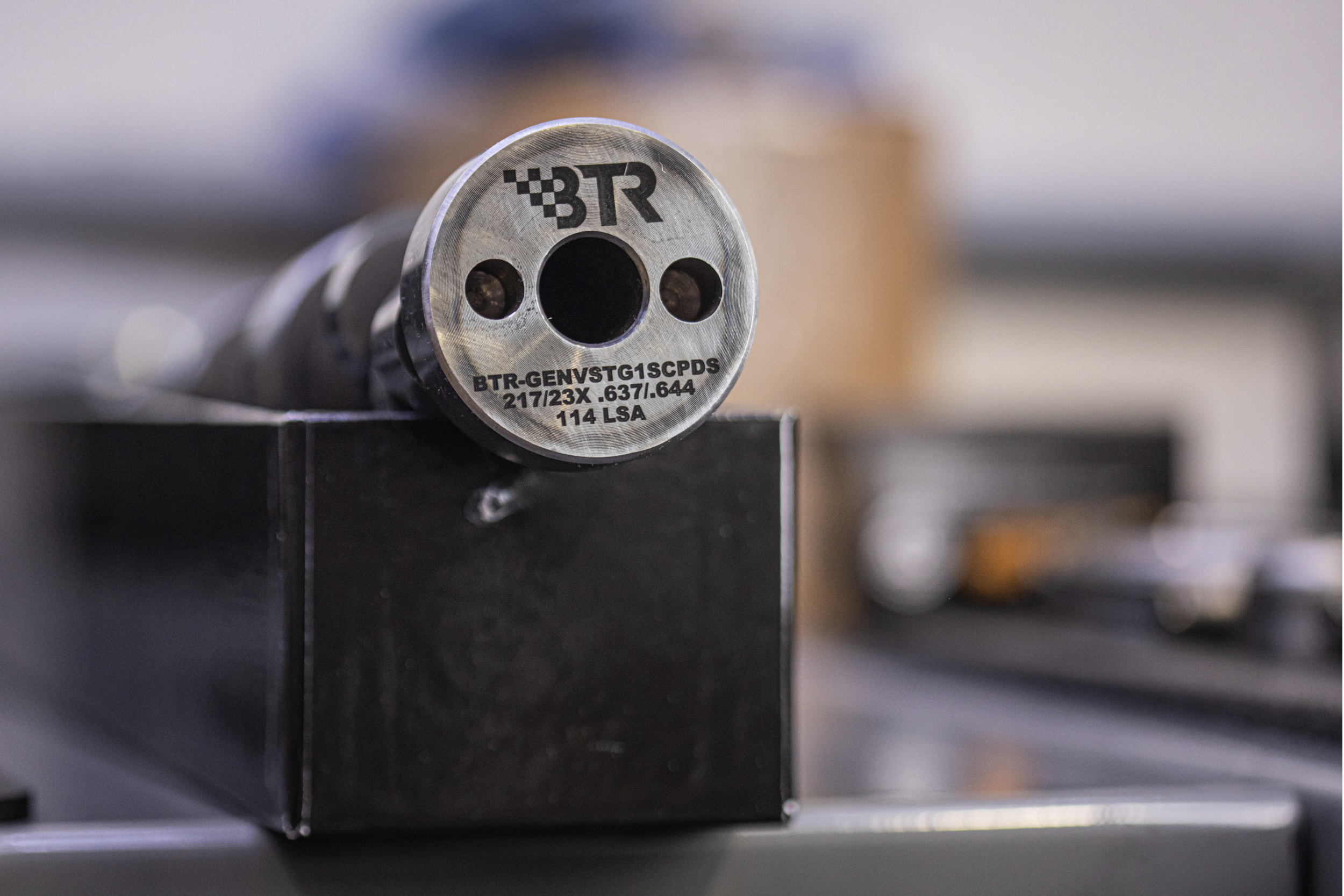
One of the most hotly debated parts of this engine build was the camshaft choice. Gabe’s previous camshaft had been a 222/234 at .635/.635 on a 114 LSA, but the lobe design led to accelerated wear on the cam and the lifters. For the rebuild, after talking with Gabe and renowned LT tuner Justin White, it was decided that the new camshaft of choice would be the BTR Stage 1. The stage 1 is advertised as a 217/23X at .637/.644 on a 114 - by all accounts a “smaller” camshaft. However, Justin was very confident that this cam would make more power than the previous camshaft, and all parties agreed Gabe’s goals with this car were not goals that necessitated a giant camshaft. One of the key features of camshaft design for a boosted application like an LT4 is having a higher “split” between the intake and exhaust duration numbers. The previous camshaft only had a 12 degree split, whereas the BTR cam has over 20 degrees of split. This difference gives the exhaust more time to evacuate combustion gases, allowing space for clean oxygen rich air to fully fill the cylinders when the intake opens. “The new LT direct injection engines don’t require nearly as much intake duration as the LS, which is port injection,” Evan explained. “However, on a positive displacement supercharged engine, exhaust usually becomes the restriction so they tend to favor large duration split cams.” There is much more detail to explore on the topic of camshaft design and reasoning, but this is one of the reasons the BTR camshaft performs so well in this application.
A shortblock only consists of crankshaft, rods, pistons, bearings, and rings. From there, it is time to begin assembling the “loaded shortblock” which will have the camshaft, lifters, timing, oil pump, and all covers. The lifters are GM lifters with AFM/DOD fully deleted, timing is the Katech modified cam gear and C5R chain, and the oil pump is the Katech Gen 5 4140 billet wet sump pump. One of the weaknesses of the stock Gen 5 oil pump is the cast oil pump gear, it is not uncommon to see this gear break and cause catastrophic damage. The Katech pump upgrades this gear to a billet gear, so even though the pump is not “high pressure” or “high volume” as some of the LS pumps are, it is still a great upgrade to safeguard against potential engine failure. This upgrade is especially valuable in an engine that has increased harmonics from a crank driven supercharger. You may also notice that any piece of hardware on this engine that could be made by ARP, was made by ARP. From the main studs to the head studs and far beyond, this engine has the best fasteners available.
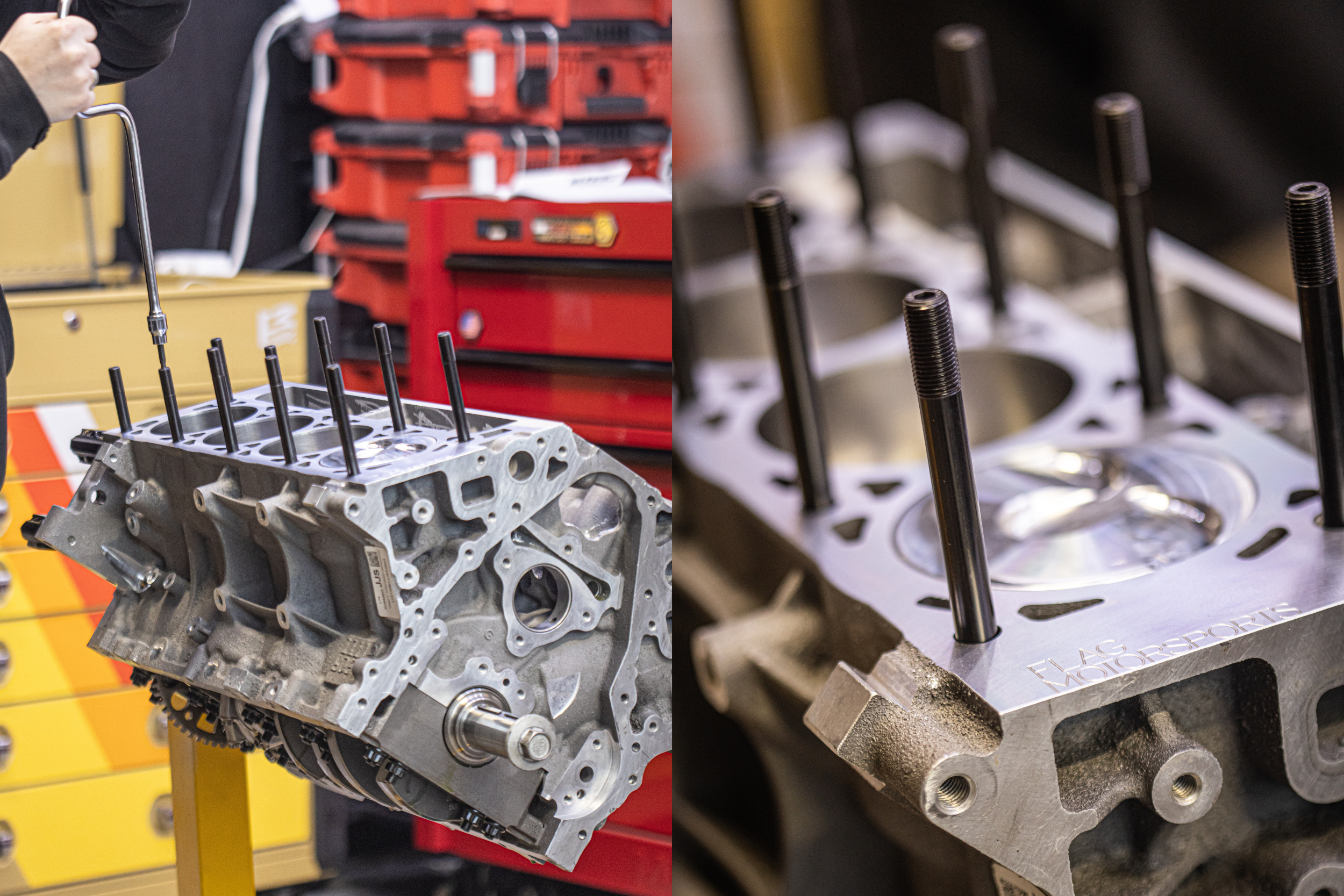
The top end of the engine consists of GM LT4 cylinder head castings with 5 axis CNC porting from Katech, and a Flag Motorsports 5 angle valve job. “A proper valve job is one of the most underrated services that you can have done when building a performance engine,” Evan said. “We often find better gains from the valve job alone than just porting alone.” The guides were severely worn for such low mileage, though valve guide wear on LT4 heads is incredibly common. In this case, bronze liners were installed to correct the wear. Liners were chosen over fully replacing the guides so that the valve job didn’t have to be sunk as far into the seat as it would have been to correct concentricity with new guides. This allowed Gabe to keep more material in place for durability and any future work, without having to look into full seat replacement. LT4 heads don’t suffer from the same seat weakness as LT1 heads, so it is much less common to fully replace seats on LT4 heads. Flag Motorsports offers the Mach line of cylinder head services, and Gabe’s engine features the Mach III head service.
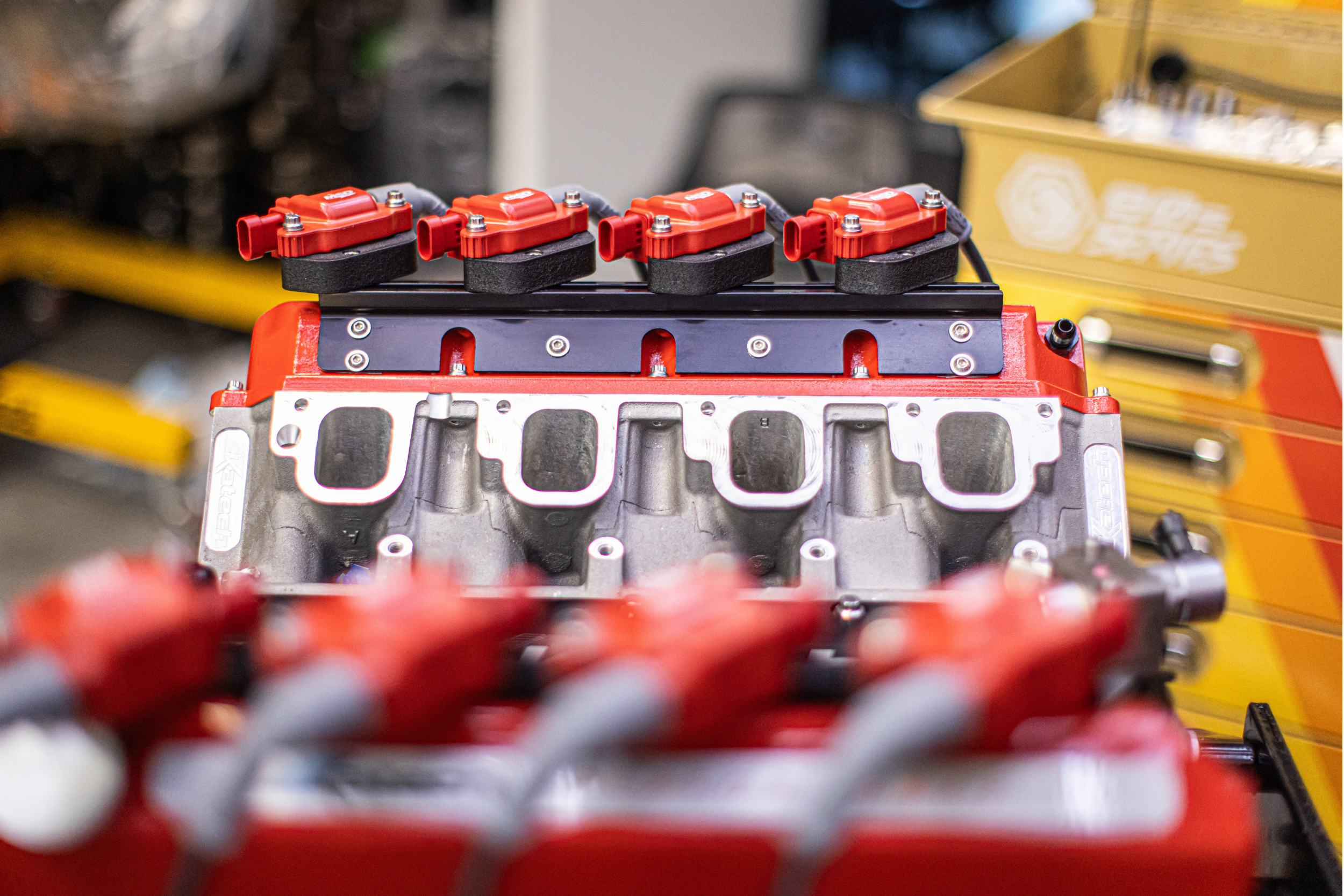
Gabe’s previous build had already featured these heads when they were ported only, with a stock GM valve job, so post-build when the car was dyno tested again it would be a true valuation of the valve job by itself. The valves are GM LT4 2.125 titanium on the intake and stock GM LT4 1.59 on the exhaust. The rocker arms have a CHE trunnion upgrade but roller tip rockers are in future plans to protect the bronze guides (backordered at the time of engine assembly).
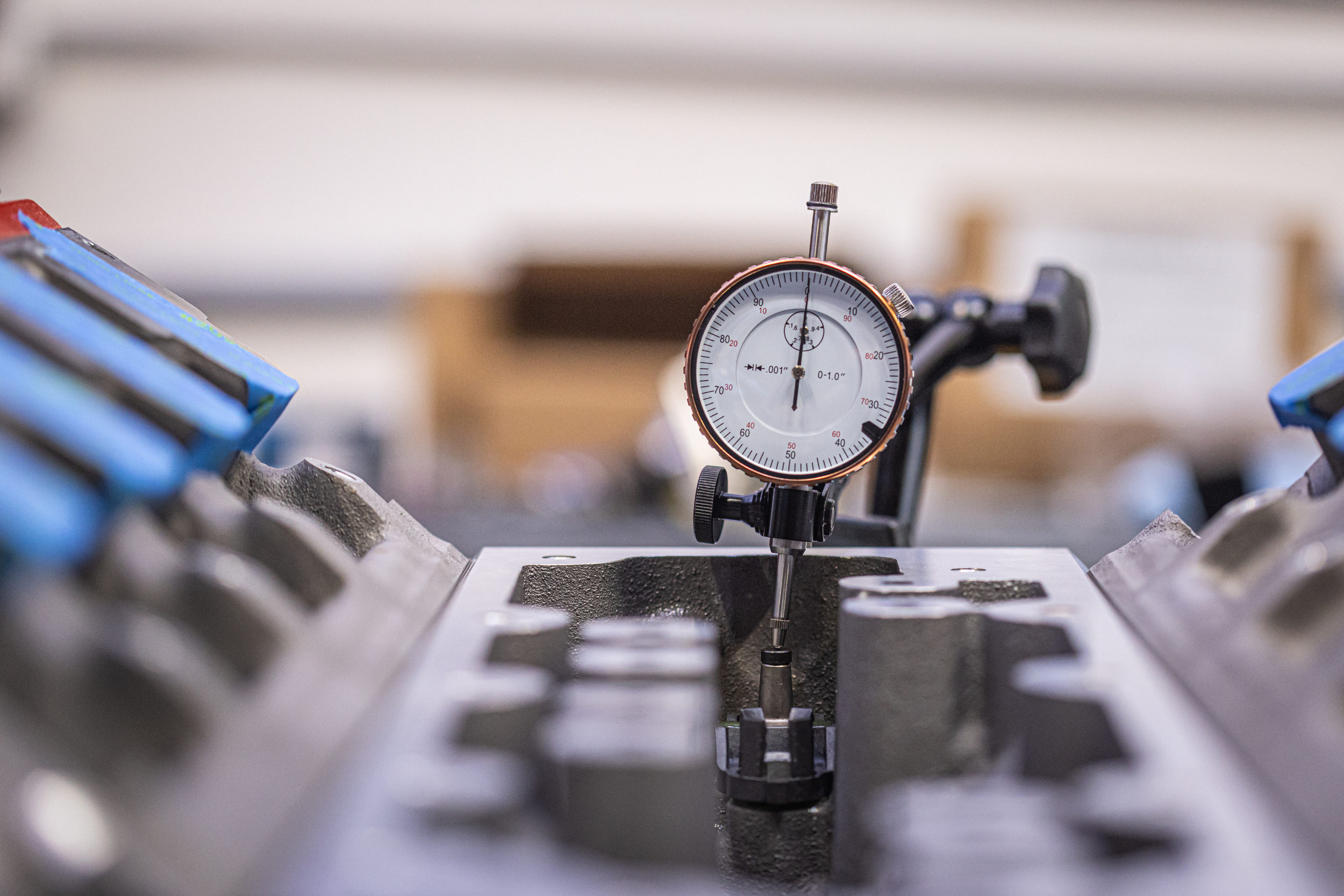
One of the crucial steps on an LT engine with a modified camshaft fuel pump lobe (in this case 32%), and especially with an aftermarket valley cover, is measuring the HPFP preload. This LT4 features an Extreme DI Goliath HPFP, and installing it correctly requires paying close attention to pump installed height and lash cap thickness to ensure proper preload.
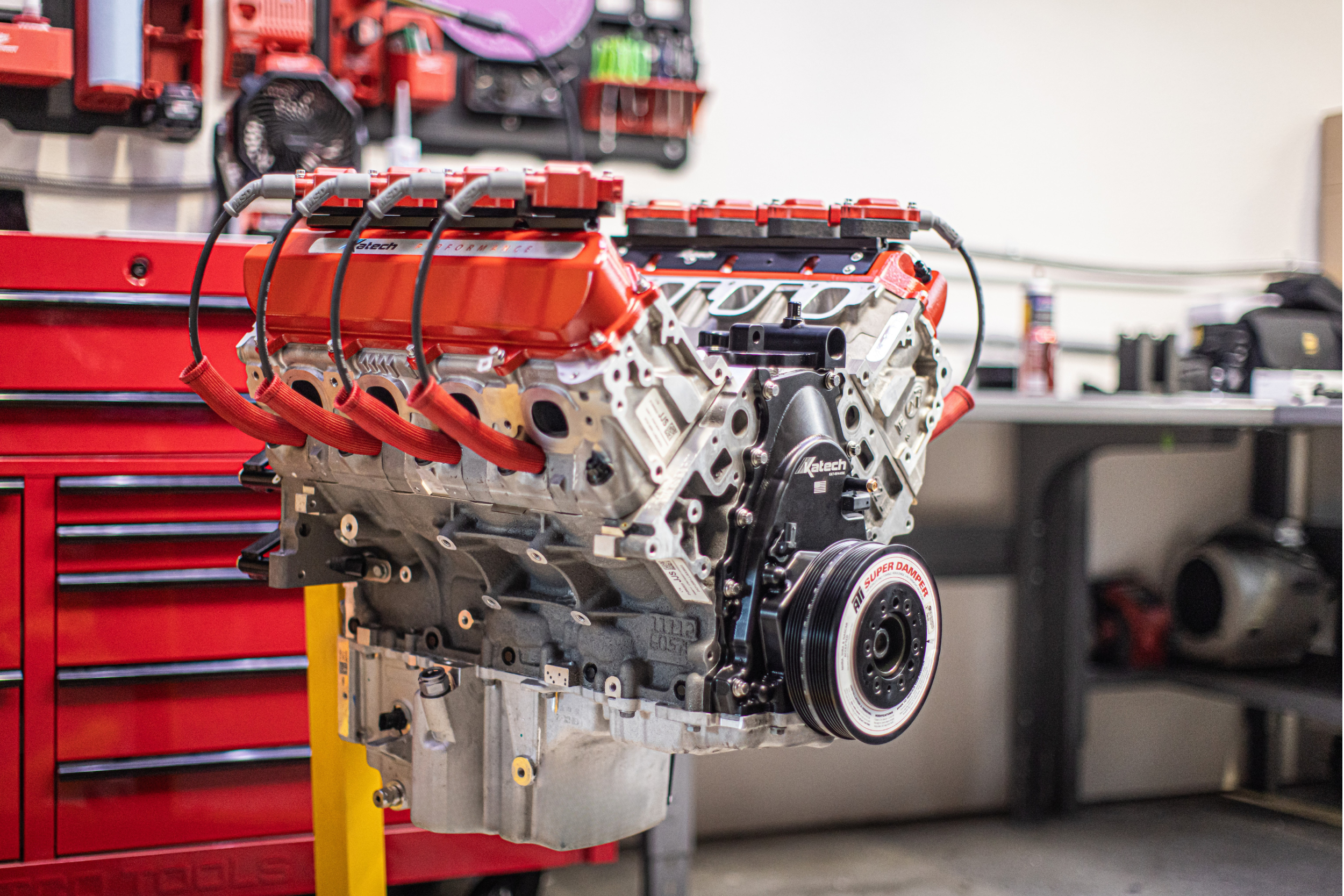
Lastly, all covers were installed, including Katech front, valley, and valve covers. The ATI balancer was honed to size and installed, along with plugs, wires, and coil packs for dressing. You may also notice the presence of ARP 12 point hardware on everything from the timing cover to the valve covers and even the coil packs. We tease Gabe mercilessly for his ARP OCD, but no one can contest how nice this engine looks. Once completed, the engine was ready for Gabe to pick up and install back in his ZLE 1LE.
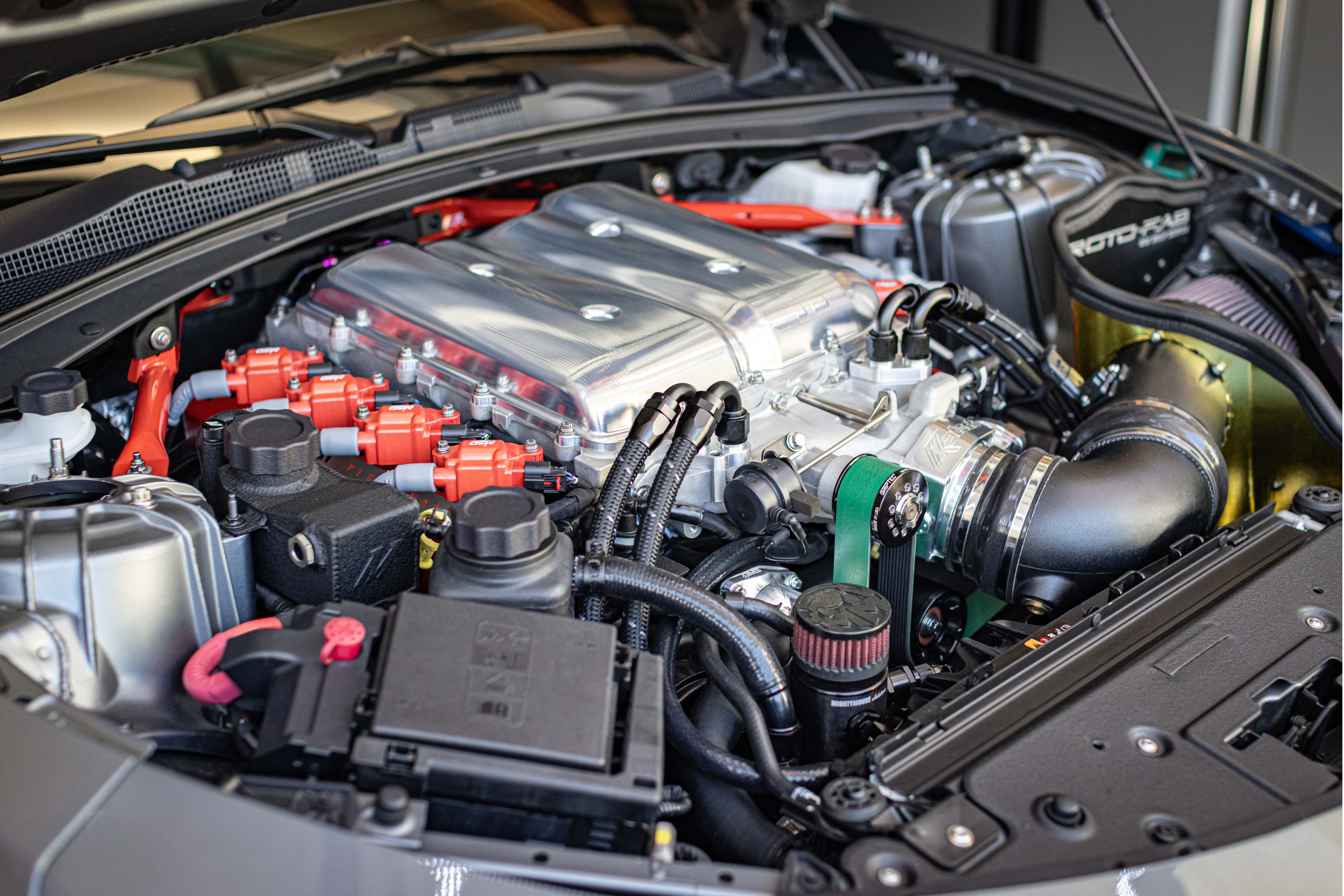
For this build, we had the fantastic benefit of Gabe having previously dyno-ed his car shortly before pulling the engine as he thoroughly documents his build for his business. Because of this, we had a perfect AB test to compare against and measure the new engine changes. Post build, Gabe took his car back to the exact same dyno on a day with similar ambient temperatures. As he discusses in his documentation, the only changes made that would have affected HP/TQ were the camshaft and the valve job. He ran the same pulleys, similar boost, same ambient temps, same peak timing, and same ethanol content. As you can see from the graph below, the new build picked up 50 ft lbs of RWTQ and 75 RWHP.
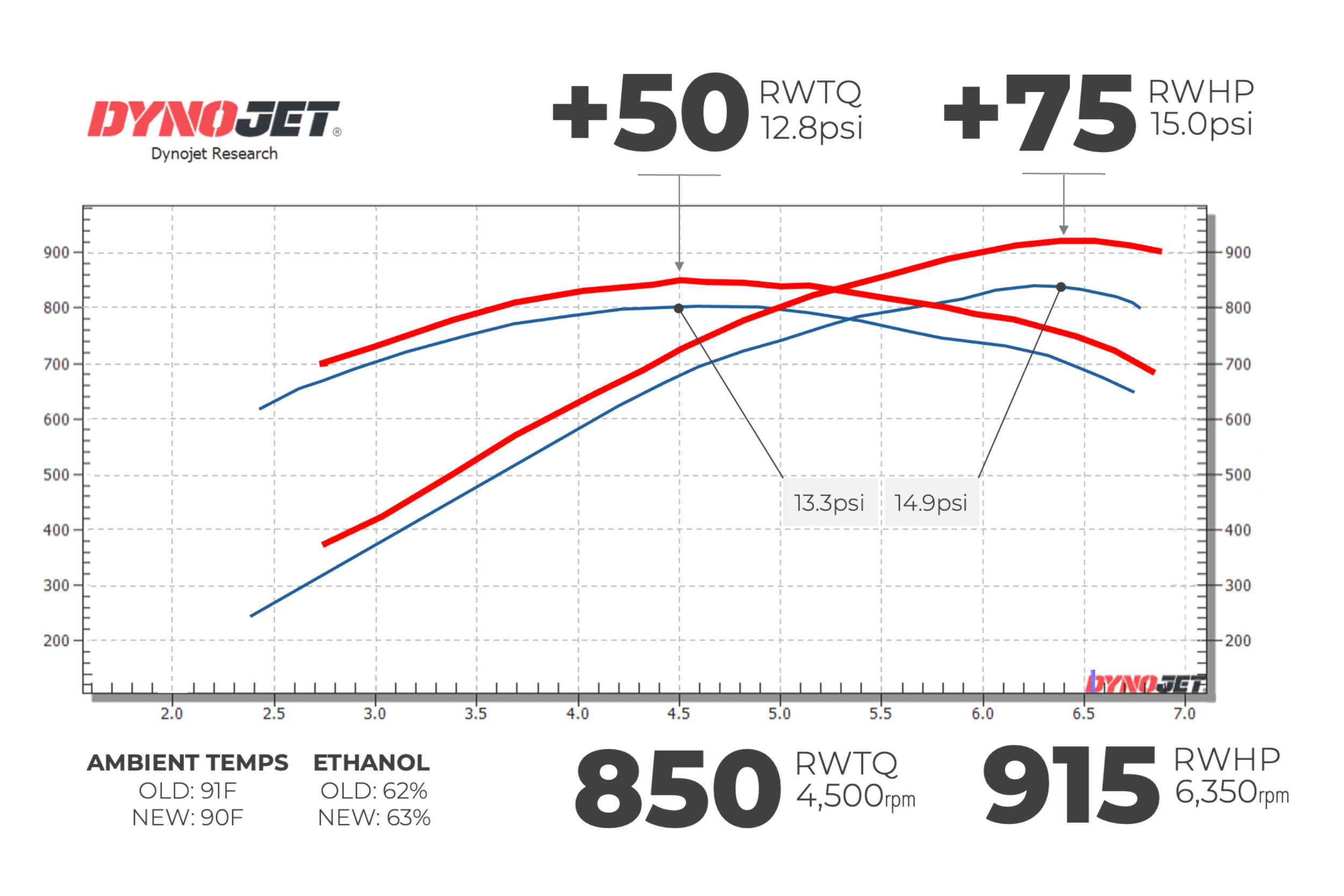
The blue line represents the old build, with the red line being the new build. The team involved were all very happy to see full gains across the board with no compromises out of just a “smaller” camshaft change and a performance valve job. Gabe Griffin of Griffin Motorsports has built his business around the 6th Gen Camaro platform, specifically related to cooling and efficiency. Having achieved 915hp/850tq out of his LT4 build using the stock 1.7L blower, 15psi, and only E60 is right in line with his goals. From us here at Flag we couldn’t be happier to have gotten to work with him and build this engine.
If you have a stock Gen 5 LT engine and are considering building your engine to achieve similar results, or for even more power, please contact us to discuss or request a quote.
All photos provided by Gabriel Griffin.